
Mouthwash – friend or foe for the gut microbiome?
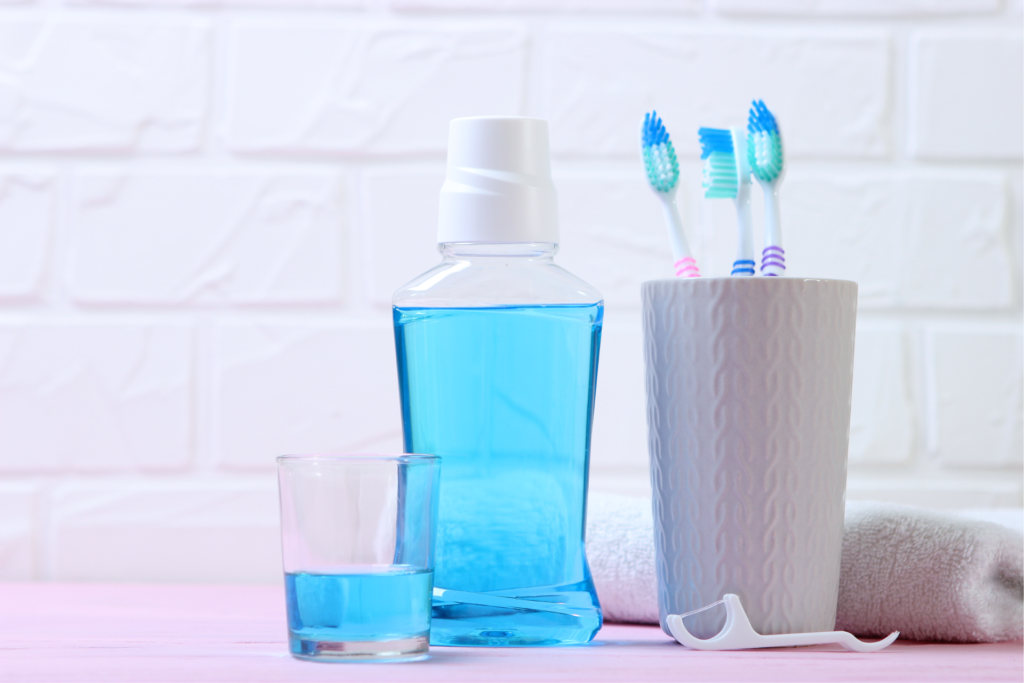
One quarter of people in the UK use mouthwash daily. With an additional 20% of the population using it every few days. Mouthwash by its nature is antibacterial, with many users wanting to kill the bacteria in the mouth that contributes to ‘bad breath’. However the ingredients used do not discriminate – does eradicating odour causing bacteria have a negative effect on our gut microbiome? The short answer is yes, through two main pathways: 1 – The mouth is the first stage of our digestive system. There are some studies that have investigated how disruptions to our oral microbiome can negatively affect our gut microbiome. 2 – Even after an oral rinse, ingredients such as chlorhexidine, triclosan and ethanol (alcohol) can find their way into our digestive system. Summarised below are five potential negative impacts of regular mouthwash use on our gut. More natural alternatives There has been a rise in popularity of more natural alternatives to traditional mouthwash. Such products utlise essential oils such as tea tree, clove, and eucalyptus. Aloe Vera is also used to soothe gums and for its antimicrobial effects. Some experts recommend the use of ‘swilling’ with salt water as a simple remedy to reduce inflammation and fight bacteria. Herbal extracts like peppermint appear to have natural antimicrobial and anti-inflammatory properties. Science News Signature Smiles Care 18th Century Diary https://pmc.ncbi.nlm.nih.gov/articles/PMC3886070/